
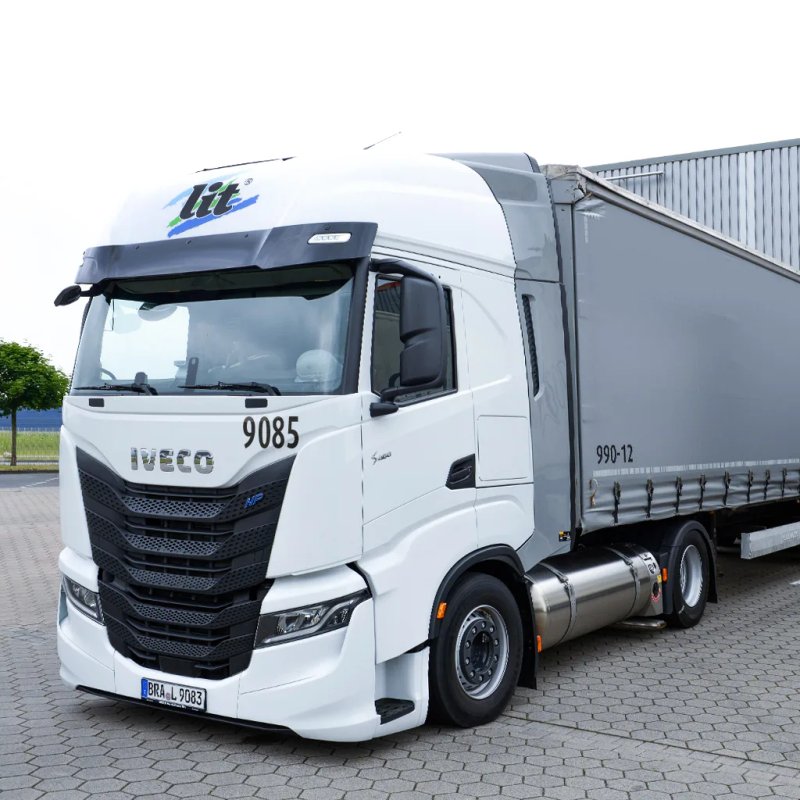
L.I.T. RELIES ON ALTERNATIVE DRIVES
With the newly acquired LNG trucks, not only is less particulate matter released into the air, but noise is also reduced by approximately half, and vehicle consumption is lower.
Robert Hennemann, Head of Driver Personnel Management, and Ingo Schreiber, Board Member of L.I.T. AG, are pleased to visit the orchard.
A sustainable economy is not possible without sustainable logistics. The industry's importance in the value chain of many companies is too great. Alternative drives, and thus the move away from fossil fuels such as petrol and diesel, are a way to make transport more resource-efficient. As an innovative logistics service provider, we have been accompanying this change from the very beginning. That is why, in mid-2019, we put our first four trucks, which run on liquefied natural gas (LNG), into operation and are continuing to expand our LNG fleet. We have even been using a vehicle powered by compressed natural gas (CNG) for a longer period.
With our Iveco brand LNG trucks, we transport, among other things, parts for our customers from the Automotive industry. For example, three of them are on the route between Leipzig and Laichingen. The CNG vehicle is used in beverage logistics and operates in local transport in Bremen. After initial software problems, our drivers are now completely enthusiastic about the new trucks. »Through the current use of LNG vehicles, we have initiated the first steps towards cleaner transport,« Claas Bunjes, Head of Mobility & Digital Solutions, is certain.
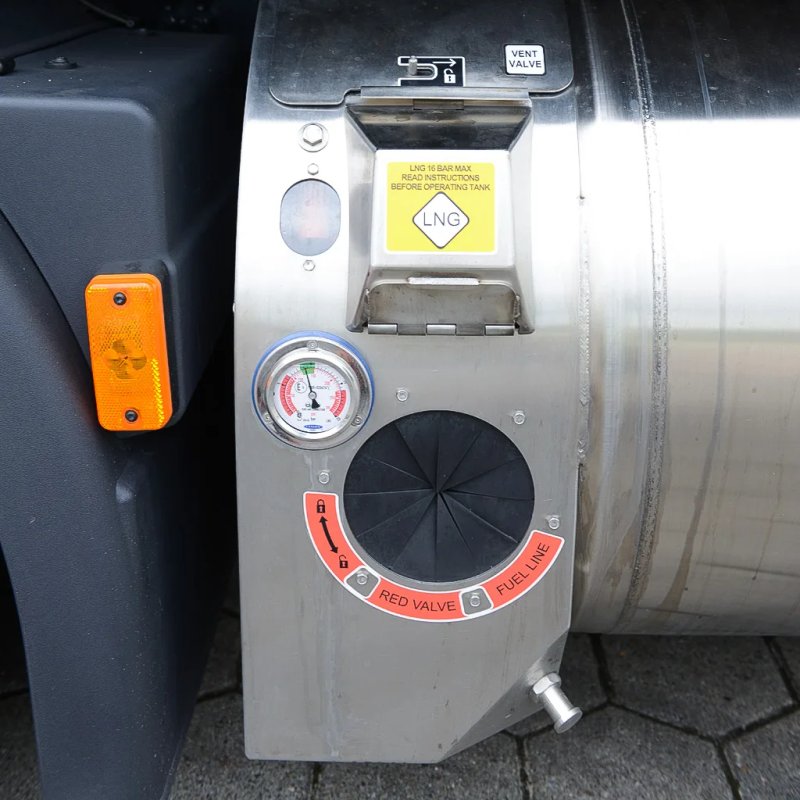
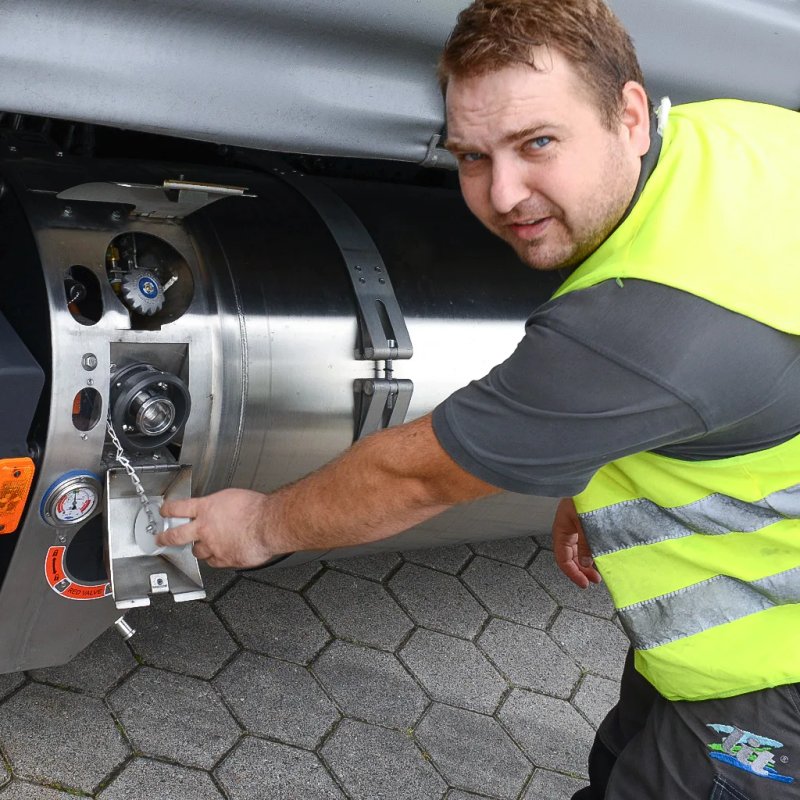
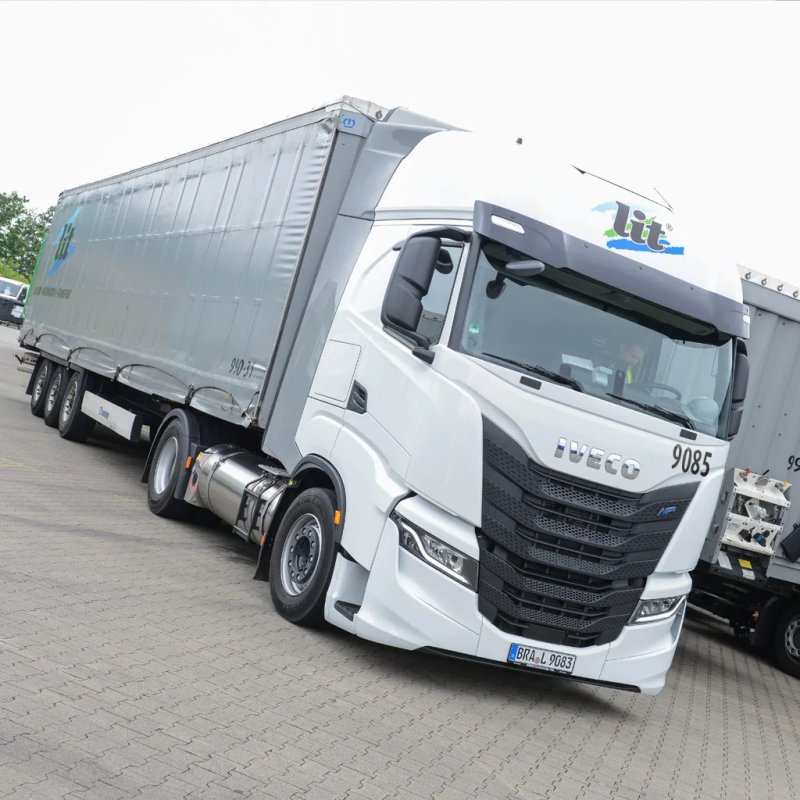
The LNG vehicles score primarily with their environmental benefits. For example, CO2 emissions are between ten and 15 percent lower than with fossil fuels. Even more impressive is that 95 percent less particulate matter is released into the air. Noise is also reduced by approximately half, and the consumption of LNG vehicles is lower. Despite high acquisition costs, they will amortize themselves after a short time.
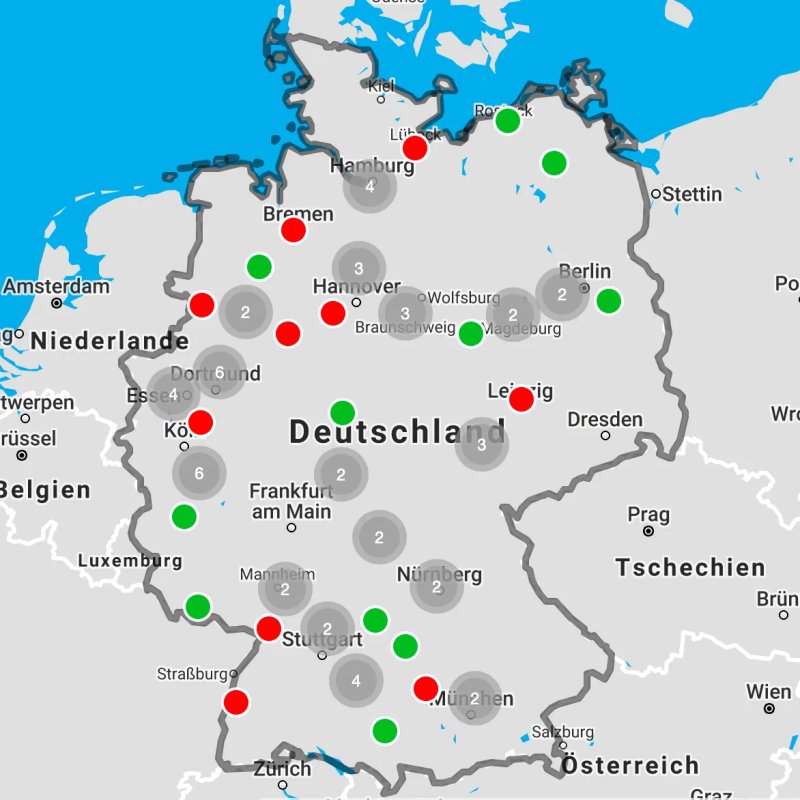
The biggest challenge in using LNG-powered vehicles was for a long time the poor infrastructure. Meanwhile, the filling station network has been significantly expanded, and drivers can obtain LNG and CNG for their trucks at approximately 30 filling stations – according to the German Energy Agency, the local infrastructure is to be expanded to approximately 50 filling stations by the end of 2020. The goal is to install at least 200 LNG filling stations by 2025.
We can therefore use the vehicles on significantly more routes than shortly after their acquisition. After a detailed briefing, where some special features are explained, the refueling process is no more complicated than with other fuels. For example, drivers must note that a distinction is made between warm (-130 to -120° C) and cold LNG (approx. -150° C). Our trucks prefer warm LNG. As soon as the liquefied natural gas is too cold, the pressure in the tank decreases. The vehicles must then remain stationary until the pressure has regulated itself. Therefore, only appropriately instructed drivers, who also wear protective equipment when refueling, may be used on these vehicles.